We live in an era where cheap clothing has become the norm. Stores are filled with pieces priced so low that we’ve almost forgotten what it means to pay for quality. We’ve grown used to buying T‑shirts that last three washes, trousers that lose their shape within weeks, and garments that never create any emotional or functional connection. But this normalization comes with a much higher cost than it appears.
When a piece of clothing is too cheap, someone —or something— is absorbing the difference. Often it’s poor‑quality materials that wear out quickly, rushed production processes that leave no room for care, or working conditions that we could hardly consider dignified. And the planet pays the price as well: more textile waste, more water consumption, more emissions, and more garments ending up in landfills after only a few months.
The paradox is that this model, which seems economical on the surface, ends up being more expensive for the consumer. When you buy clothing that doesn’t last, you replace it constantly. The cycle repeats itself: you buy, you wear it out, you throw it away, you buy again. What seemed cheap becomes a recurring expense.
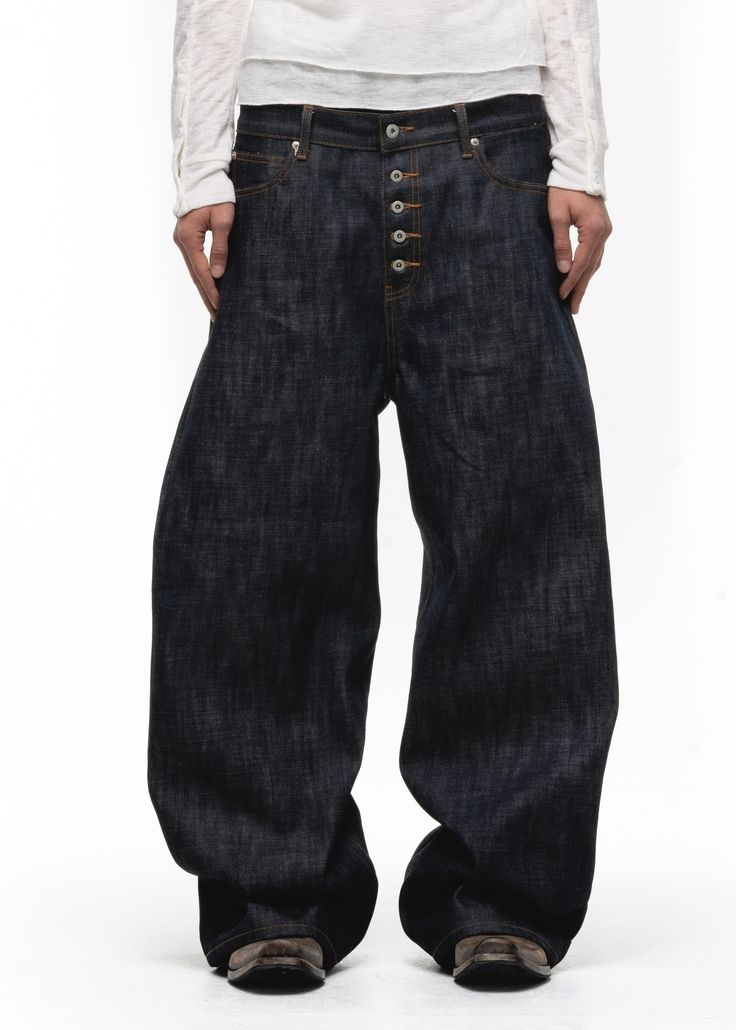
When a garment costs more, there is usually a real reason behind it. More resistant and pleasant materials, slower and more careful manufacturing processes, designs created to last rather than follow a two‑week trend, and working conditions that respect the people behind every stitch. A quality piece doesn’t just last longer —it maintains its shape, its feel, and its presence over time.
And that completely changes the relationship we have with our wardrobe.
Paying more is not a luxury; it’s an investment. It means choosing pieces that will accompany you for years, not months. It means reducing impulsive consumption and building a personal style that is stable and coherent. It means feeling better about what you wear because you know it has value, that it’s well made, and that it’s part of a more responsible way of consuming.
Fashion shouldn’t be disposable. Once we understand that, everything changes: we buy less, we buy better, and above all, we live better with the choices we make.